Visually, Dogtooth is constructed through a highly controlled and unsettling cinematic language that mirrors the psychological confinement at the heart of the film. Yorgos Lanthimos, יחד עם הצלם Thimios Bakatakis, builds a visual world defined by static compositions, rigid framing, and a deliberate emotional distance between the camera and the characters. One of the film’s most striking visual choices is its use of cropped and asymmetrical framing, where characters are often pushed to the edge of the frame, partially obscured, or cut off entirely. This fragmentation creates a constant sense of unease and reinforces the distorted reality imposed by the parents.
The domestic space itself functions as a visual metaphor for control and isolation. The house is presented as a pristine, sterile suburban environment, with clean interiors, bright natural light, and carefully maintained spaces. Yet this visual order intensifies the horror rather than softening it, as the polished mise-en-scène stands in direct contrast to the psychological violence unfolding within it. By maintaining a cold observational distance and avoiding emotionally intimate close-ups, Lanthimos positions the viewer as a witness, allowing framing, space, and visual restraint to embody the film’s central themes of authoritarian control, alienation, and the illusion of normality.
What inspires me most about Dogtooth is the way it presents dictatorship in its most intimate and reduced form: the nuclear family.
I’m deeply drawn to how the film raises questions about the family’s role in shaping our reality, language, and sense of truth. The visual restraint, rigid framing, and controlled domestic space all work together to reinforce this idea, making the cinematic language inseparable from the message itself.
Yorgos Lanthimos

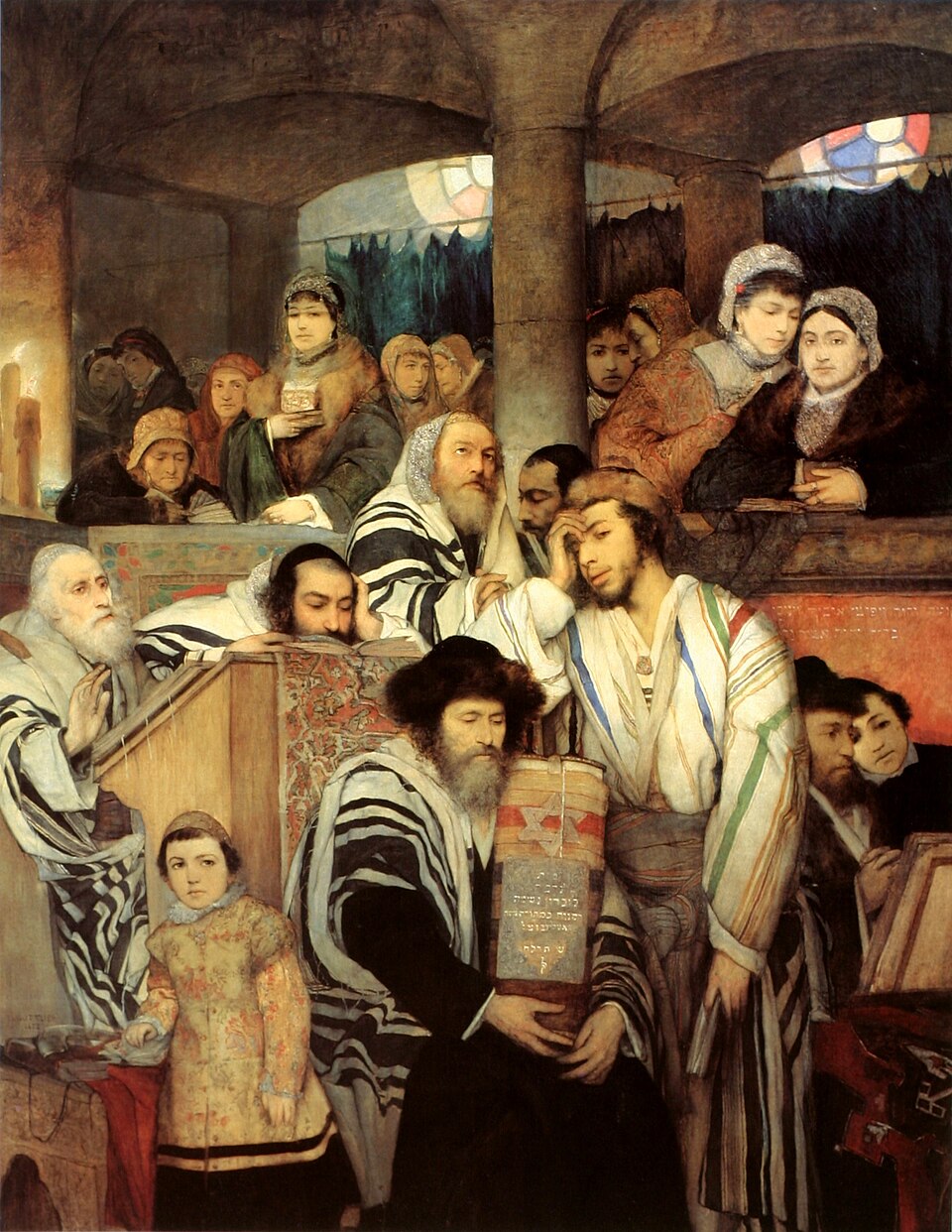
1878
Painting by Maurycy Gottlieb